Why Every Competitive Player Needs a Personalized Golf Development Plan
No two junior golfers are exactly alike. They develop at different rates, have unique strengths and weaknesses, and pursue different goals throughout their competitive journeys. Yet many players still follow generic training routines that fail to address their individual needs. That's why a personalized golf development plan is one of the most valuable tools a competitive golfer can have. Rather than relying on guesswork or copying what other players are doing, a personalized plan creates a clear roadmap for improvement. It identifies priorities, establishes measurable goals, and ensures that practice time is focused on the areas that matter most. Whether a golfer is preparing for tournament competition, working toward college recruiting, or simply striving to maximize their potential, a personalized golf development plan provides the structure necessary for long-term success. For families interested in understanding how player development progresses over time, the CAMPUS Academy Journey Page offers a helpful overview of the stages involved in competitive golf growth.
TLDR – Quick Guide
- A personalized golf development plan creates a roadmap for long-term improvement.
- Every golfer has unique strengths, weaknesses, and goals.
- Personalized plans improve practice efficiency and accountability.
- Development plans help players avoid plateaus and burnout.
- Structured goals support tournament performance and recruiting opportunities.
- The most successful competitive golfers follow a clear development strategy.
Detailed Breakdown
What Is a Personalized Golf Development Plan?
A personalized golf development plan is a structured strategy designed around a player's individual needs, abilities, and long-term objectives. Instead of applying the same training approach to every golfer, a personalized plan considers factors such as:
- Age
- Skill level
- Competitive experience
- Athletic development
- Tournament goals
- Recruiting aspirations
The objective is to create a pathway that helps each player improve as efficiently as possible while maintaining long-term growth.
Why Generic Training Plans Often Fall Short
Many golfers spend countless hours practicing without a clear direction. Generic training programs often fail because they don't account for individual differences. For example:
- One player may need significant short-game improvement.
- Another may struggle with course management.
- A third may need athletic development more than technical instruction.
Without a personalized golf development plan, players can waste valuable time working on areas that are not their highest priorities. Personalized plans help ensure that effort is invested where it will have the greatest impact.
Personalized Plans Create Clear Goals
One of the biggest advantages of a personalized golf development plan is goal setting. Successful plans typically include:
- Short-term goals
- Seasonal objectives
- Tournament targets
- Long-term development milestones
Goals provide motivation and help players stay focused during both successful and challenging periods. When progress is measured against a clear plan, improvement becomes easier to track and celebrate.
Better Practice Leads to Faster Improvement
Many junior golfers believe improvement comes from practicing more. In reality, improvement often comes from practicing smarter. A personalized plan helps players focus on:
- High-priority skills
- Weaknesses affecting scoring
- Tournament preparation
- Performance consistency
This targeted approach creates more productive practice sessions and often leads to faster development. Rather than trying to improve everything at once, players can focus on the areas that produce the greatest results.
Development Should Match the Player's Age
A 10-year-old golfer and a 17-year-old golfer have very different developmental needs. A quality personalized golf development plan evolves as the player grows. Training priorities may include:
- Fundamental movement skills
- Athletic development
- Technical instruction
- Competitive preparation
- Recruiting readiness
Players and families can learn more about age-specific development strategies through Junior Golf Training Plans by Age. Following age-appropriate development principles helps maximize growth while reducing unnecessary pressure.
Long-Term Planning Prevents Development Plateaus
One of the biggest challenges competitive golfers face is stagnation. Players often reach a point where improvement slows because their training lacks structure. A personalized golf development plan helps prevent this by:
- Establishing progression milestones
- Identifying emerging weaknesses
- Adjusting priorities over time
- Maintaining accountability
Consistent evaluation and adaptation allow players to continue improving rather than repeating the same routines indefinitely.
Supporting Long-Term Development Goals
The best players think beyond their next tournament. A personalized development plan helps golfers connect daily training with larger objectives such as:
- Lower scoring averages
- Tournament success
- Ranking improvement
- College recruiting
- Long-term athletic growth
Families seeking guidance on long-range planning can benefit from reading Long-Term Junior Golf Development Goals. Understanding the bigger picture helps players remain patient and focused throughout their development journey.
Accountability Drives Consistency
One reason many golfers struggle to improve is inconsistency. A personalized golf development plan creates accountability by establishing clear expectations and measurable benchmarks. Players can track:
- Practice completion
- Skill improvement
- Tournament performance
- Physical development
- Goal achievement
This accountability encourages disciplined habits and helps maintain momentum over time.
Personalized Plans Support College Golf Aspirations
For golfers interested in collegiate competition, structured development becomes even more important. College coaches often evaluate:
- Performance trends
- Competitive growth
- Consistency
- Work ethic
- Long-term potential
A personalized development plan helps ensure players are progressing toward the benchmarks needed for recruiting success. It also helps families make informed decisions regarding tournament schedules, training priorities, and developmental goals.
Working With Coaches to Build the Right Plan
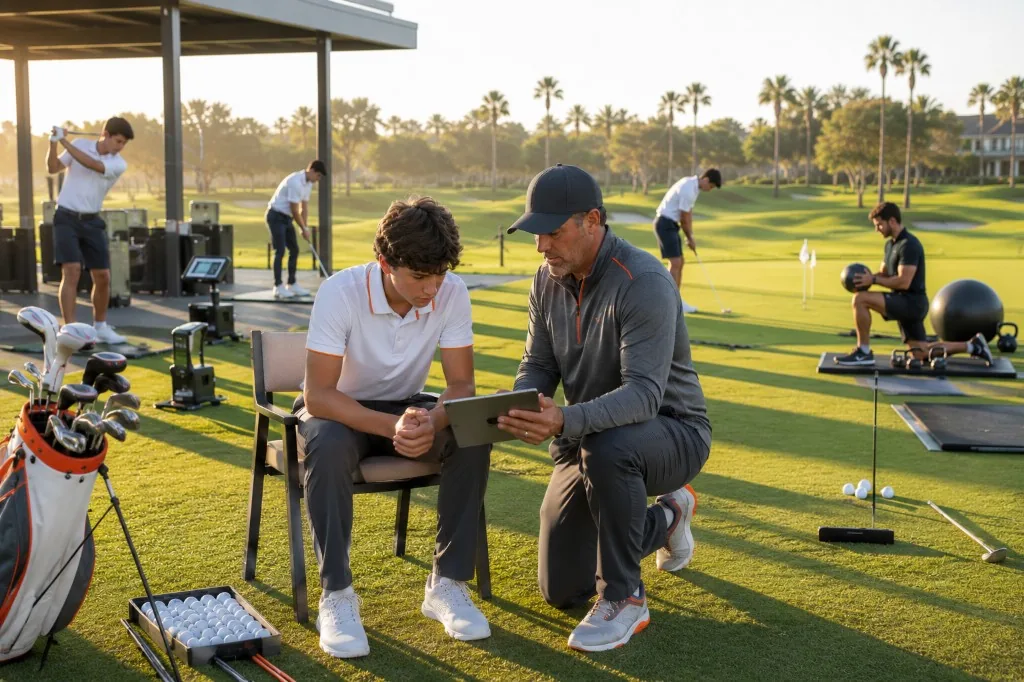
Creating an effective personalized golf development plan often requires collaboration between players, coaches, and families. Coaches can help identify:
- Current strengths
- Areas requiring improvement
- Appropriate goals
- Realistic timelines
- Development priorities
Regular communication ensures the plan evolves alongside the player. The most effective plans are flexible enough to adapt while remaining focused on long-term objectives.
Learning From Proven Development Programs
Many successful golf academies emphasize individualized development because they recognize that every golfer's journey is different. For example, Ogrin Golf Academy (New Braunfels, TX) focuses on helping players follow structured development pathways tailored to their unique goals and abilities. Programs that prioritize personalized planning often produce more confident, motivated, and successful competitors.
Signs You Need a Personalized Golf Development Plan
A structured plan can benefit nearly every competitive golfer, but it becomes especially important when players experience:
- Inconsistent performance
- Development plateaus
- Lack of motivation
- Unclear goals
- Inefficient practice habits
- Tournament frustration
These challenges often indicate that training lacks direction and structure. A personalized plan helps restore clarity and purpose.
Key Takeaways
A personalized golf development plan provides competitive golfers with a clear roadmap for improvement. By focusing on individual strengths, weaknesses, goals, and developmental needs, players can train more efficiently and make meaningful progress over time. Rather than relying on generic instruction or random practice, personalized plans create structure, accountability, and long-term direction. Whether the goal is tournament success, college recruiting, or simply reaching one's full potential, a customized development strategy is one of the most effective investments a golfer can make. The players who improve the most are rarely the ones who practice the hardest. They are often the ones who follow a plan designed specifically for them.
FAQs
What is a personalized golf development plan?
A personalized golf development plan is a structured strategy tailored to a golfer's individual goals, strengths, weaknesses, and developmental needs. It provides a roadmap for improvement and helps prioritize training efforts. The plan evolves as the player grows and progresses.
Why is a personalized golf development plan important?
Every golfer develops differently and requires unique training priorities. A personalized plan helps players focus on the areas that will have the greatest impact on performance. This leads to more efficient practice and better long-term results.
How often should a golf development plan be updated?
Most development plans should be reviewed and adjusted several times throughout the year. Changes may be needed based on performance, growth, tournament schedules, or evolving goals. Regular updates help ensure the plan remains effective and relevant.
Can a personalized golf development plan help with college recruiting?
Yes, a personalized plan can support recruiting goals by helping players reach important performance benchmarks. It also assists with tournament planning, skill development, and long-term growth. Structured development often makes recruiting preparation more effective.
Who should help create a personalized golf development plan?
The best plans are typically created through collaboration between players, coaches, and families. Coaches provide expertise and objective evaluation, while players contribute personal goals and commitment. Working together helps create a realistic and effective development strategy.