What Is the Best Age to Start Competitive Golf for Junior Players?
Introduction
One of the biggest questions parents ask in junior golf is: “What is the best age to start competitive golf?”
The honest answer?
There is no perfect age. Some junior golfers begin tournaments at age 6 or 7. Others do not start competing seriously until middle school. Both pathways can lead to long-term success if development happens correctly. What matters most is not starting extremely early. What matters most is:
- Building strong fundamentals
- Developing confidence
- Learning competitive habits
- Avoiding burnout
- Creating long-term enjoyment of the game
Many families mistakenly believe early specialization guarantees future success. In reality, pushing junior golfers into high-pressure competition too soon can sometimes slow development instead of accelerating it. Competitive golf should match the player’s:
- Emotional maturity
- Skill level
- Interest level
- Physical development
- Competitive readiness
The goal is not simply to play tournaments early. The goal is to build a player who can continue improving for years. For families exploring junior golf development through Campus Golf Academy, understanding the right timing for competition can help create healthier long-term growth and more sustainable player development. In this guide, we’ll break down:
- The best age to start competitive golf
- What junior golfers should focus on at each age
- Signs a player is ready for tournaments
- Common mistakes parents make
- How to balance development and competition
TLDR – Quick Guide
- Most junior golfers begin competitive golf between ages 8–12
- Emotional readiness matters more than age alone
- Early competition should focus on development, not rankings
- Burnout often happens when pressure starts too early
- Strong fundamentals matter more than early tournament volume
- Players develop at different speeds physically and mentally
- Enjoyment and confidence should remain priorities in junior golf
Detailed Breakdown
Is There a Perfect Age to Start Competitive Golf?
Not really. There is no universal “correct” age to begin tournament golf because every junior golfer develops differently. Some kids are naturally competitive and emotionally prepared early. Others need more time to:
- Build confidence
- Improve coordination
- Develop patience
- Learn course etiquette
- Handle pressure situations
Starting too early is not automatically better. In fact, one of the biggest mistakes in junior sports is assuming earlier always equals more successful. Many elite golfers did not dominate tournaments at young ages. Instead, they gradually developed:
- Competitive habits
- Emotional control
- Athleticism
- Scoring skills
- Mental resilience
Long-term development matters far more than early trophies. The player development philosophy outlined throughout the Campus Golf Academy homepage emphasizes building complete athletes instead of rushing short-term results.
Ages 5–7: Introduction and Fun First At this stage, golf should primarily feel:
- Fun
- Creative
- Social
- Low pressure
Young players in this age range should focus on:
- Basic movement skills
- Coordination
- Athletic development
- Swing fundamentals
- Enjoying practice
Very young golfers can absolutely participate in short junior events, but tournament golf should remain lighthearted. Parents should avoid:
- Overanalyzing scores
- Comparing players
- Excessive technical instruction
- Overloaded tournament schedules
At these ages, confidence and enjoyment are far more important than results. A child who loves golf at age 7 is much more likely to continue developing at age 14.
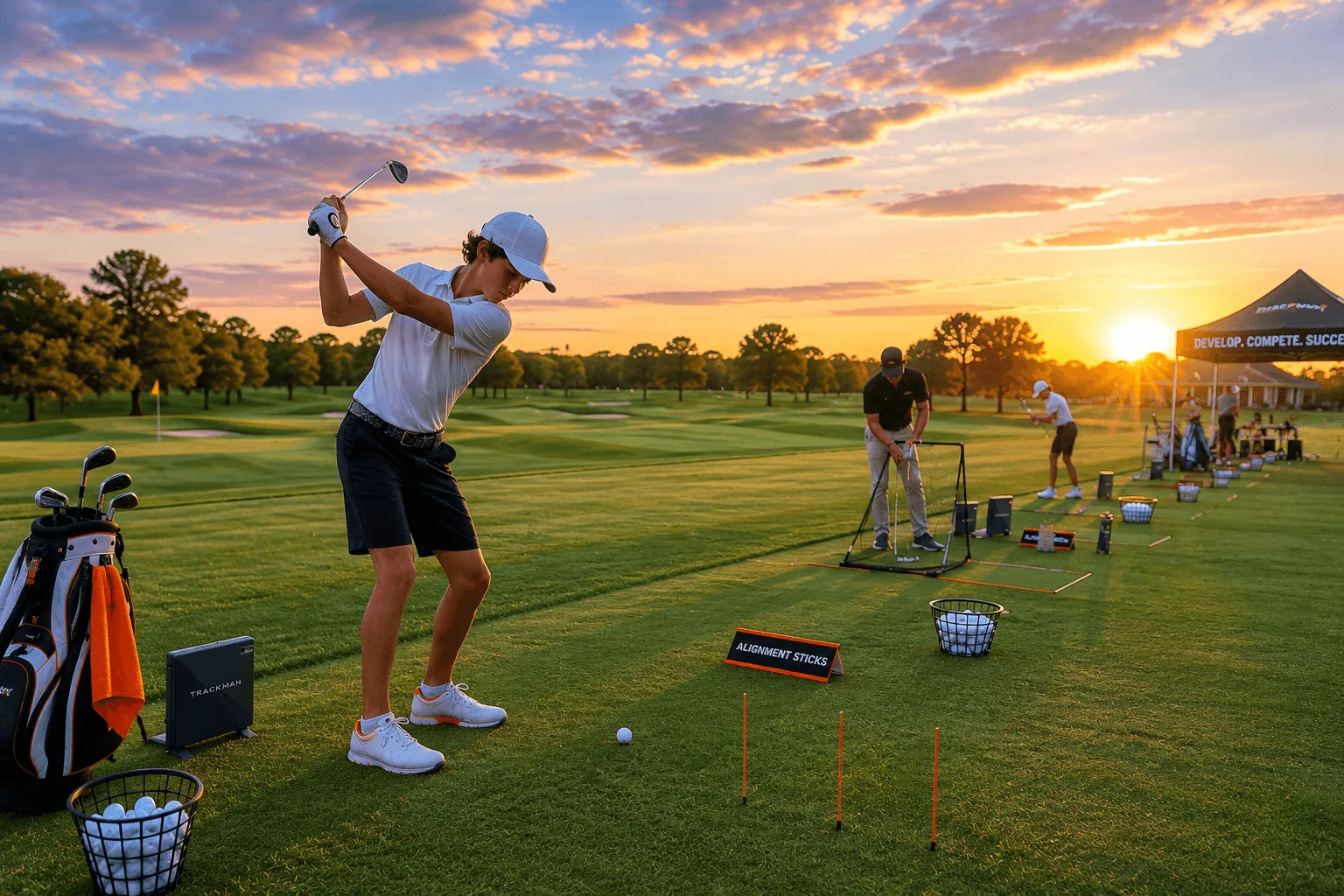
Ages 8–10: Early Competitive Introduction This is the age range where many junior golfers begin:
- Local tournaments
- Junior clinics
- Competitive practice
- Structured coaching
For many players, this becomes the best age to start competitive golf casually and developmentally. Competition during this phase should teach:
- Sportsmanship
- Focus
- Emotional management
- Course awareness
- Tournament routines
The emphasis should still remain on learning — not rankings. Players at this stage benefit greatly from:
- Shorter tournaments
- Positive coaching
- Age-appropriate competition
- Balanced schedules
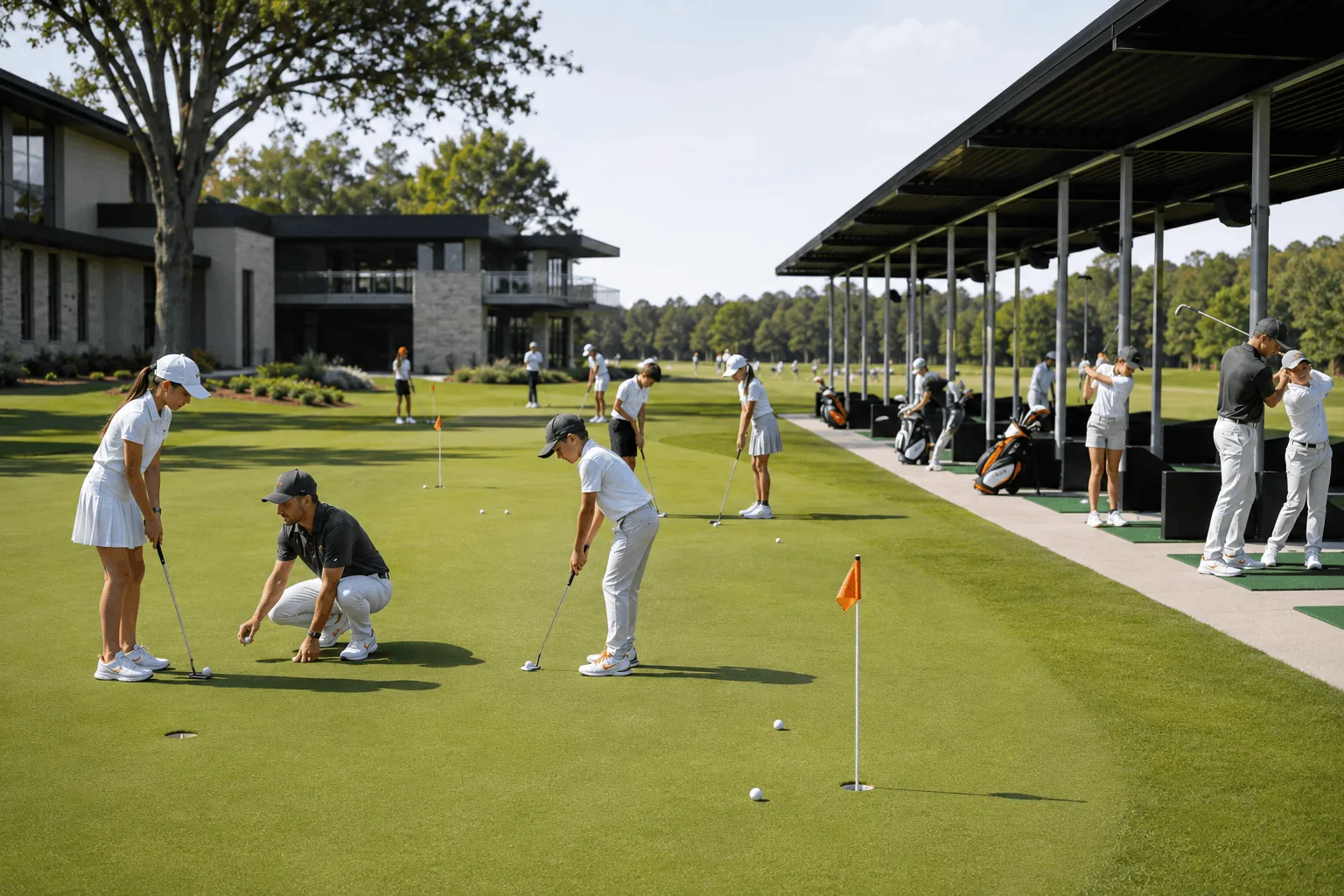
This is also when many families begin searching for structured coaching through the Find Lessons page to help junior golfers develop proper fundamentals and tournament habits.
Ages 11–13: Serious Development Begins For many junior golfers, ages 11–13 become a major turning point. Players often begin:
- Practicing more consistently
- Competing regularly
- Tracking tournament scores
- Developing athletic training habits
- Understanding course management
At this age, emotional maturity becomes increasingly important. Competitive golf introduces:
- Frustration
- Expectations
- Pressure
- Comparison
- Performance anxiety
Learning how to manage emotions becomes just as valuable as swing development. This stage is often where long-term competitive habits begin forming. Players who develop healthy routines early tend to transition more successfully into high-level junior golf later.
Ages 14–18: Competitive Golf Becomes More Serious By high school, tournament golf often becomes more intense. Players may begin focusing on:
- Rankings
- Recruiting
- National events
- Scoring averages
- College golf opportunities
This is where structured development systems become critical. Serious junior golfers now need:
- Physical training
- Mental coaching
- Tournament scheduling
- Recovery management
- Strategic practice plans
However, even at this stage, burnout remains a major concern. Many talented golfers lose motivation because competition becomes too stressful or overwhelming. Maintaining balance is essential.
Signs a Junior Golfer Is Ready for Competition
Age alone does not determine readiness. Some important signs include: Emotional Readiness Can the player:
- Handle mistakes calmly?
- Recover after bad holes?
- Accept coaching feedback?
- Compete without emotional meltdowns?
Emotional control matters enormously in golf.
Genuine Interest
Does the player actually want to compete?
Or are they competing because parents want them to?
Motivation matters. Junior golfers who genuinely enjoy improvement usually develop more sustainably over time.
Basic Skill Development
Players do not need perfect swings before competing. But they should have:
- Basic course understanding
- Safety awareness
- Fundamental scoring ability
- Reasonable pace of play
Tournament golf becomes much more enjoyable when players feel somewhat prepared.
Common Mistakes Parents Make
Starting Too Intensely
One of the biggest mistakes is overloading young players with:
- Constant tournaments
- Rankings pressure
- Year-round competition
- Unrealistic expectations
More tournaments do not automatically equal faster development. Sometimes they create exhaustion instead.
Comparing Kids Too Early
Junior golfers develop at completely different rates physically and emotionally. A dominant 10-year-old may not remain dominant at 16. Development is rarely linear. Patience matters.
Focusing Too Much on Results
Parents often focus heavily on:
- Scores
- Leaderboards
- Rankings
- Wins
But long-term development depends more on:
- Habits
- Consistency
- Emotional resilience
- Skill growth
Results usually follow development — not the other way around.
The Role of Coaching in Competitive Development
Structured coaching helps junior golfers:
- Build confidence
- Learn tournament routines
- Improve decision-making
- Develop scoring skills
- Create long-term practice habits
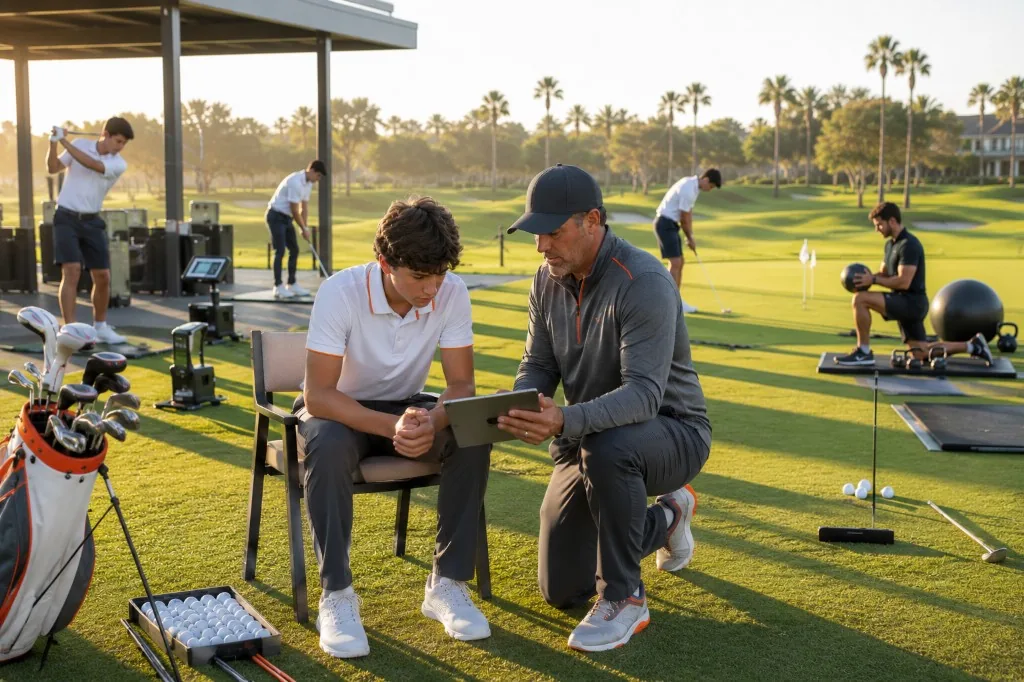
Competitive environments also matter. Training at facilities like Derek Uyeda Golf in Del Mar can expose junior golfers to experienced coaching and player development systems designed for long-term growth. Similarly, programs like Balance & Believe Golf in Madison often emphasize both skill development and emotional confidence — two critical factors for sustainable competitive golf progression.
How Parents Can Support Junior Golfers Properly
The best thing parents can do is create healthy support systems. That means:
- Encouraging effort over results
- Supporting emotional recovery
- Avoiding excessive pressure
- Helping maintain balance
- Keeping golf enjoyable
Parents should also understand that development is rarely linear. Junior golfers will experience:
- Plateaus
- Confidence swings
- Frustrating tournaments
- Rapid improvement phases
Patience and consistency matter far more than short-term tournament success. Families looking for additional guidance can often find helpful development insights through the Campus Golf Academy FAQ page, especially when navigating junior golf growth and competitive progression.
Key Takeaways
- Most junior golfers begin competitive golf between ages 8–12
- Emotional readiness matters more than age alone
- Early competition should focus on learning and confidence
- Strong fundamentals matter more than early tournament wins
- Burnout often happens when pressure starts too early
- Long-term development should remain the priority
- Enjoyment and competitive growth should stay balanced
- Every junior golfer develops at a different pace
FAQs
- What is the best age to start competitive golf?
Most junior golfers begin competitive golf between ages 8 and 12. However, emotional maturity and skill readiness matter more than a specific age. Some players benefit from starting earlier casually, while others develop successfully later.
- Is starting competitive golf very young necessary for college golf?
No, starting extremely young is not required for future success. Many college golfers did not begin serious competition until middle school or early high school. Long-term development, consistency, and enjoyment matter more than early tournament volume.
- How do I know if my child is ready for tournaments?
Players are usually ready when they can handle mistakes calmly, follow course etiquette, and show genuine interest in competing. Emotional maturity is just as important as skill level. Confidence and enjoyment should remain priorities during early competition.
- Can too much competition hurt junior golfers?
Yes, excessive tournament schedules and pressure can lead to burnout and frustration. Young golfers still need balance, recovery, and time to develop naturally. Overloading players too early sometimes slows long-term growth instead of helping it.
- What should junior golfers focus on before serious competition?
Before focusing heavily on rankings or results, junior golfers should prioritize fundamentals, short game, emotional control, and course management. Building confidence and healthy practice habits creates a stronger long-term foundation. Competitive development works best when learning stays enjoyable.