Junior Golf Practice at Home That Actually Improves Performance
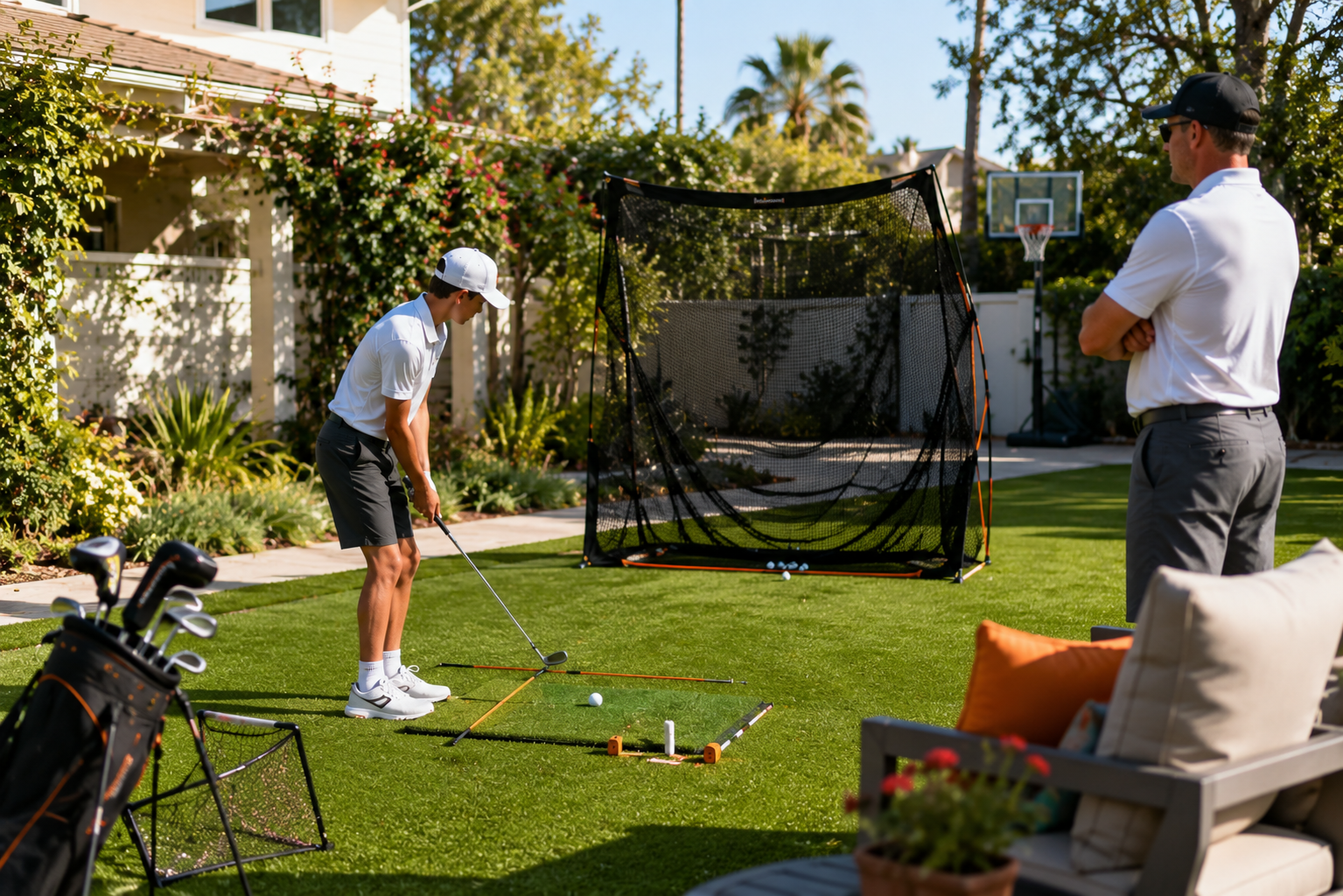
Improving as a junior golfer doesn't always require spending hours at the driving range or playing multiple rounds each week. In fact, some of the most effective training happens at home through structured, purposeful practice.
The key to successful junior golf practice at home isn't hitting hundreds of balls into a net. It's developing the habits, skills, and routines that transfer directly to the golf course. With the right approach, home practice can reinforce lessons, improve consistency, and accelerate long-term development.
Whether your child is just beginning competitive golf or preparing for tournaments, practicing at home can become an important part of their overall training plan.
To learn more about player development and coaching opportunities, visit the CAMPUS Academy.
TLDR – Quick Guide
- Junior golf practice at home should focus on quality rather than quantity.
- Putting, short-game drills, and swing fundamentals can all be practiced at home.
- Mobility and fitness exercises improve athletic performance.
- Structured practice routines create faster improvement than random repetition.
- Tracking progress helps players stay motivated.
- Home practice should complement coaching and on-course play.
Detailed Breakdown
Why Home Practice Matters
Many junior golfers believe they can only improve at the golf course.
In reality, consistent junior golf practice at home allows players to reinforce skills between lessons and tournament rounds. Even short, focused practice sessions can build confidence and improve consistency over time.
Practicing at home also helps young golfers develop discipline and responsibility—two qualities that benefit them both on and off the course.
Practice Fundamentals First
Home is an excellent place to reinforce the basics without worrying about ball flight.
Players can work on:
- Grip
- Posture
- Alignment
- Ball position
- Setup routine
- Tempo
Repeating proper fundamentals consistently helps build muscle memory that carries over to the golf course.
Using a mirror during practice can also provide immediate feedback on posture and setup.
Build a Better Putting Stroke
Putting is one of the easiest and most valuable skills to practice at home.
Simple drills include:
- Making consecutive short putts
- Distance control drills
- Gate drills for stroke path
- One-handed putting exercises
- Start-line drills
Because putting has such a significant impact on scoring, regular home practice can quickly translate into lower scores during competition.
Improve Your Short Game Without a Course
Many short-game skills can be practiced safely in a backyard or indoor space.
Players can work on:
- Chipping technique
- Landing spot control
- Wrist stability
- Contact quality
- Distance awareness
Foam golf balls or limited-flight practice balls make these drills safer while still helping players improve touch and consistency.
Develop Better Swing Mechanics
A full driving range isn't always necessary to improve swing mechanics.
During junior golf practice at home, golfers can focus on:
- Slow-motion swings
- Balance drills
- Swing sequencing
- Finish position
- Weight transfer
Practicing movement patterns without worrying about distance allows players to build better habits before adding speed.
Improve Athletic Performance
Golf is an athletic sport, and physical development plays an important role in long-term success.
Home workouts can include:
- Mobility exercises
- Core strengthening
- Balance training
- Flexibility routines
- Stability drills
These exercises help players move more efficiently while reducing the risk of injury.
Families looking for age-appropriate training ideas can explore Junior Golf Training Plans by Age.
Create a Weekly Practice Schedule
Consistency matters more than marathon practice sessions.
A simple weekly routine might include:
- Two putting sessions
- Two swing mechanics sessions
- One mobility workout
- One short-game practice
- One performance review
This balanced approach keeps training productive without overwhelming young golfers.
For additional ideas on building a structured annual schedule, read Year-Round Junior Golf Training.
Practice the Mental Game
Home practice isn't limited to physical skills.
Junior golfers can strengthen their mental game by:
- Visualizing successful shots
- Practicing breathing techniques
- Reviewing tournament goals
- Building pre-shot routines
- Reflecting on recent rounds
Mental preparation helps players stay composed during competitive situations.
Track Your Progress
One of the best ways to improve junior golf practice at home is by measuring progress.
Players can record:
- Practice sessions completed
- Putting success rates
- Drill performance
- Personal goals
- Tournament results
Tracking improvement keeps players motivated and helps identify areas that need additional attention.
Connect Home Practice to On-Course Performance
The goal of home practice is to improve tournament performance—not simply complete drills.
After each round, players should ask:
- Which shots gave me trouble?
- What skills need more attention?
- Which practice drills will help most?
Connecting home practice to actual performance makes every training session more meaningful.
Players looking for scoring strategies can also read How Competitive Juniors Lower Golf Scores, which explains how targeted practice contributes to lower tournament scores.
Follow a Long-Term Development Plan
Home practice is most effective when it fits into a larger development strategy.
The CAMPUS Academy Journey demonstrates how coaching, structured practice, competition, and player development work together to help junior golfers improve over time.
Rather than viewing home practice as separate from lessons, players should use it to reinforce coaching and prepare for future training sessions.
Common Home Practice Mistakes
While practicing at home offers many benefits, players should avoid these common mistakes:
- Practicing without a plan
- Focusing only on full swings
- Ignoring putting and short-game drills
- Rushing through practice sessions
- Trying to fix multiple swing issues at once
- Skipping mobility and fitness work
Purposeful, focused practice consistently delivers better results than simply spending more time practicing.
Key Takeaways
Junior golf practice at home is one of the most effective ways for competitive players to reinforce coaching, improve consistency, and build better habits. By focusing on fundamentals, putting, short game, athletic development, and mental preparation, junior golfers can make meaningful progress between lessons and tournaments.
The best home practice routines are structured, measurable, and connected to long-term development goals. When combined with quality coaching and regular on-course play, home practice becomes a powerful tool for helping junior golfers reach their full potential.
Frequently Asked Questions
What is the best junior golf practice at home routine?
A balanced routine should include putting, swing fundamentals, short-game drills, mobility exercises, and mental preparation. Sessions should be focused and based on the player's current development goals. Consistency is more important than practicing for long periods.
Can junior golfers really improve without going to the golf course?
Yes. Many important skills, including setup, putting, balance, and mobility, can be developed at home. Home practice reinforces lessons and helps players build habits that transfer to on-course performance.
How often should junior golfers practice at home?
Most competitive players benefit from practicing at home several times each week. Short, focused sessions are often more effective than occasional long workouts. A coach can recommend a schedule based on the player's goals and tournament calendar.
What equipment is needed for home golf practice?
Many drills require very little equipment. A putter, golf balls or foam balls, alignment sticks, a mirror, and a putting mat can support a wide variety of effective practice routines. Fitness exercises may only require resistance bands or bodyweight movements.
How can parents support junior golf practice at home?
Parents can help by creating a consistent practice schedule, providing encouragement, and making sure players have a safe place to train. Supporting effort rather than focusing only on results helps young golfers stay motivated. Coaches can also recommend drills that fit easily into a home practice routine.