
Why Parents and Golf Coaches Communication Matters for Junior Golfers
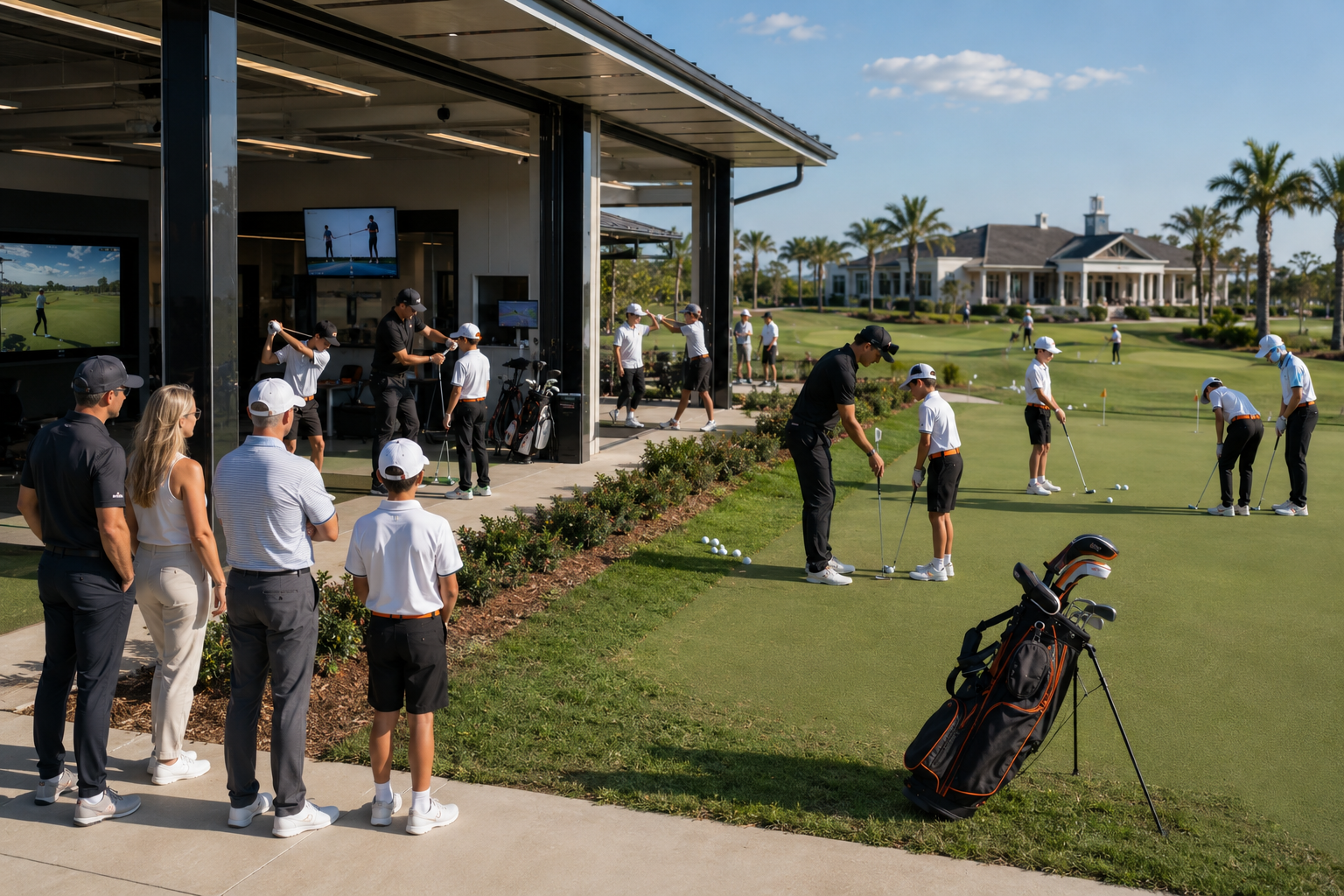
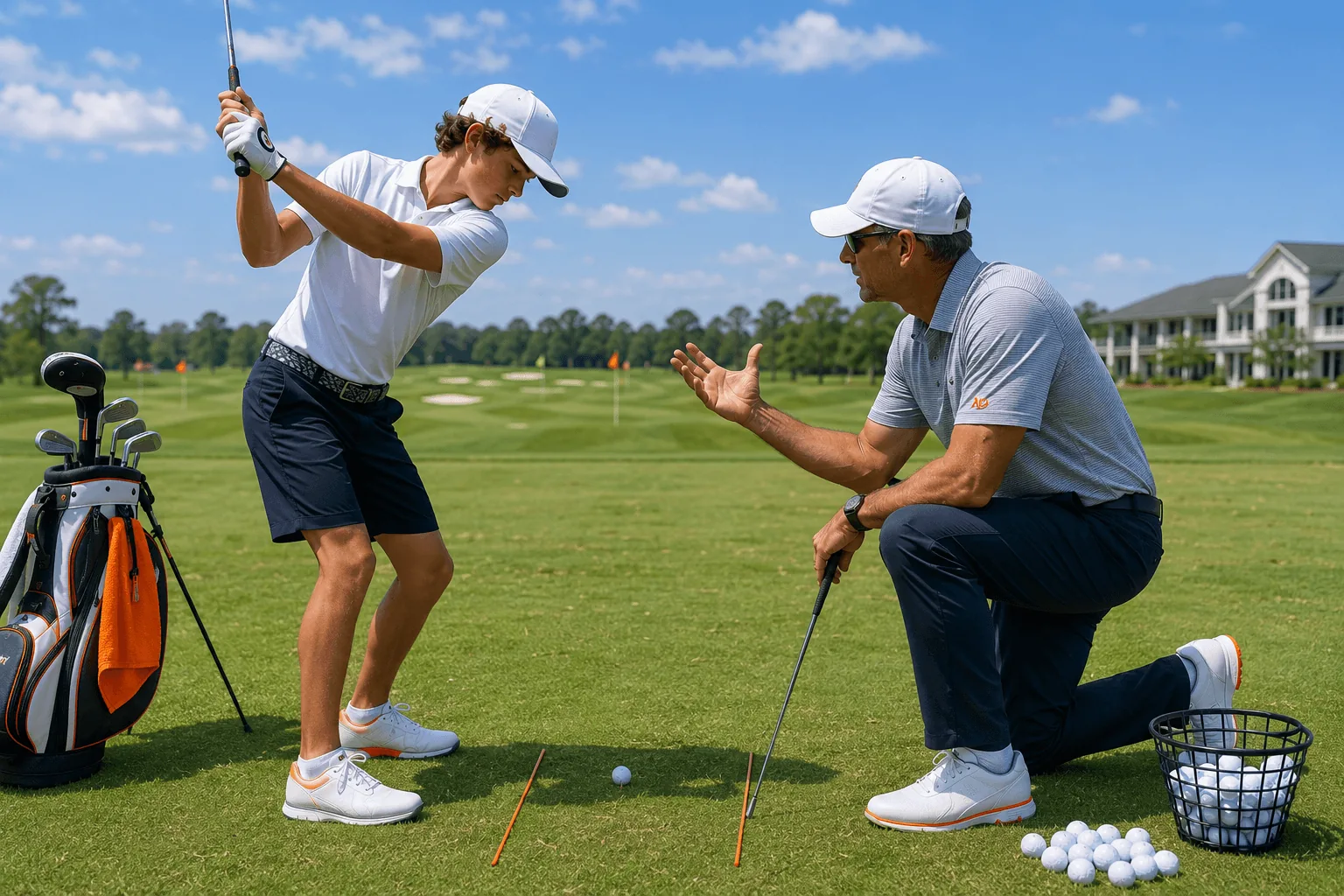
Behind every successful junior golfer is a strong support team. While players spend countless hours practicing and competing, their development often depends on the relationship between the people guiding them. One of the most important—and sometimes overlooked—parts of that support system is parents and golf coaches communication.
When parents and coaches work together, junior golfers receive consistent guidance, realistic expectations, and the encouragement they need to improve. On the other hand, poor communication can lead to confusion, unnecessary pressure, and mixed messages that slow development.
Whether a junior golfer is just starting lessons or competing at a high level, healthy parents and golf coaches communication creates a positive environment where players can focus on learning, growing, and enjoying the game.
To learn more about the CAMPUS Academy philosophy and commitment to junior golfer development, visit the About page.
TLDR – Quick Guide
- Strong parents and golf coaches communication creates a consistent learning environment.
- Open communication helps establish realistic expectations and shared goals.
- Parents and coaches should work together without sending conflicting messages.
- Regular updates help players stay focused on long-term development.
- Positive communication reduces stress and supports confidence.
- Collaboration creates a healthier experience for both players and families.
Detailed Breakdown
Why Communication Is So Important
Junior golfers receive guidance from many different sources, including parents, coaches, teammates, and tournament experiences.
Without effective parents and golf coaches communication, those messages can easily become inconsistent.
When parents and coaches stay aligned, players benefit from:
- Clear expectations
- Consistent instruction
- Better accountability
- Increased confidence
- Long-term development
A unified approach helps junior golfers understand what they should focus on and eliminates unnecessary confusion.
Everyone Shares the Same Goal
Although parents and coaches have different roles, they typically want the same outcome: helping the junior golfer improve while enjoying the game.
Parents often provide:
- Encouragement
- Transportation
- Emotional support
- Financial investment
Coaches provide:
- Technical instruction
- Development planning
- Performance feedback
- Competitive guidance
Strong parents and golf coaches communication ensures these roles complement each other instead of overlapping.
Avoid Mixed Messages
One of the fastest ways to confuse a junior golfer is through conflicting advice.
For example:
- A coach emphasizes tempo while a parent focuses on distance.
- A coach recommends patience while a parent discusses tournament results.
- A player hears different swing tips from multiple sources.
Rather than helping, conflicting instruction often slows improvement and increases frustration.
Parents can support development by reinforcing the coach's guidance instead of introducing new technical advice after every round.
Set Clear Expectations Early
Open conversations at the beginning of the coaching relationship help everyone understand their responsibilities.
Topics worth discussing include:
- Player goals
- Practice expectations
- Tournament schedules
- Communication preferences
- Long-term development plans
Establishing these expectations early creates a stronger partnership throughout the season.
Focus on Long-Term Development
Junior golf is a marathon, not a sprint.
Healthy parents and golf coaches communication keeps everyone focused on long-term growth instead of short-term results.
Conversations should regularly address:
- Skill development
- Practice habits
- Confidence
- Personal improvement
- Enjoyment of the game
Players who feel supported rather than pressured are more likely to stay motivated and continue improving.
Support Without Creating Pressure
Parents naturally want their children to succeed, but communication should build confidence rather than increase stress.
Helpful approaches include:
- Asking what the player learned
- Celebrating effort
- Listening after tournaments
- Encouraging resilience
Avoiding excessive analysis immediately after rounds gives players time to process their own performance.
Families can learn additional strategies by reading Supporting a Junior Golfer Without Burnout.
A supportive environment keeps golf enjoyable while reducing unnecessary pressure.
Communication During the First Competitive Season
The first year of tournament golf often introduces new questions for both parents and players.
Coaches can help families understand:
- Tournament expectations
- Competitive development
- Emotional ups and downs
- Practice priorities
- Progress over time
Parents preparing for tournament golf should also read the First-Year Competitive Junior Golf Parent Guide.
Understanding what to expect helps families maintain realistic expectations throughout the season.
Respect Each Person's Role
The healthiest coaching relationships occur when everyone understands their responsibilities.
Coaches should coach.
Parents should support.
Players should learn.
When each person respects these roles, junior golfers receive consistent guidance without feeling overwhelmed by conflicting expectations.
Regular Check-Ins Improve Development
Communication doesn't need to happen after every lesson or tournament.
However, periodic conversations can help everyone stay aligned.
Topics might include:
- Progress toward goals
- Areas for improvement
- Practice consistency
- Tournament scheduling
- Upcoming priorities
These conversations help coaches adjust development plans while keeping parents informed about their child's progress.
Building Trust Creates Better Results
Trust is the foundation of successful parents and golf coaches communication.
Parents should feel comfortable asking questions about development, while coaches should communicate openly about expectations and progress.
When players see parents and coaches working together, they often feel more confident and secure throughout their golf journey.
Learning From Collaborative Coaching Environments
Many successful junior golf programs emphasize collaboration between coaches and families.
For example, Balance & Believe Golf (Madison, WI) encourages open communication and individualized player development to help junior golfers grow both on and off the course.
Programs that value partnership often create stronger relationships, healthier learning environments, and better long-term outcomes for young athletes.
Common Communication Mistakes to Avoid
Strong relationships become easier when families avoid common communication pitfalls, such as:
- Giving technical swing advice that conflicts with coaching
- Focusing only on scores and tournament results
- Comparing players to teammates or competitors
- Discussing mistakes immediately after every round
- Waiting too long to ask questions or share concerns
Open, respectful communication helps everyone stay focused on what matters most—the player's long-term development.
Key Takeaways
Strong parents and golf coaches communication creates the foundation for a positive and successful junior golf experience. When parents and coaches share expectations, respect each other's roles, and maintain open communication, players receive the consistent support they need to grow with confidence.
Junior golfers develop best when everyone works together toward the same goals. By prioritizing collaboration over criticism and long-term development over short-term results, families can help young athletes enjoy the game while reaching their full potential.
Frequently Asked Questions
Why is parents and golf coaches communication important?
Good communication helps create consistent expectations and supports a junior golfer's long-term development. When parents and coaches work together, players receive clear guidance and a more positive learning experience. This partnership also helps reduce confusion and unnecessary pressure.
How often should parents communicate with a golf coach?
Communication should happen as needed, with regular check-ins throughout the season. Parents don't need updates after every lesson, but discussing progress, goals, and upcoming tournaments can be very helpful. Open communication builds trust and keeps everyone aligned.
Should parents give swing advice at home?
In most cases, it's best to reinforce the coach's instruction rather than introduce additional swing changes. Conflicting advice can confuse junior golfers and slow their progress. Parents can provide encouragement while allowing coaches to handle technical instruction.
What should parents discuss with a junior golf coach?
Parents can discuss development goals, practice habits, tournament schedules, progress, and any concerns affecting the player's experience. These conversations help coaches provide more personalized guidance. They also ensure everyone is working toward the same objectives.
How does good communication help prevent junior golf burnout?
Open communication helps identify signs of stress, fatigue, or unrealistic expectations before they become bigger issues. Coaches and parents can adjust practice schedules, tournament commitments, or development goals when needed. A collaborative approach creates a healthier and more enjoyable junior golf experience.