
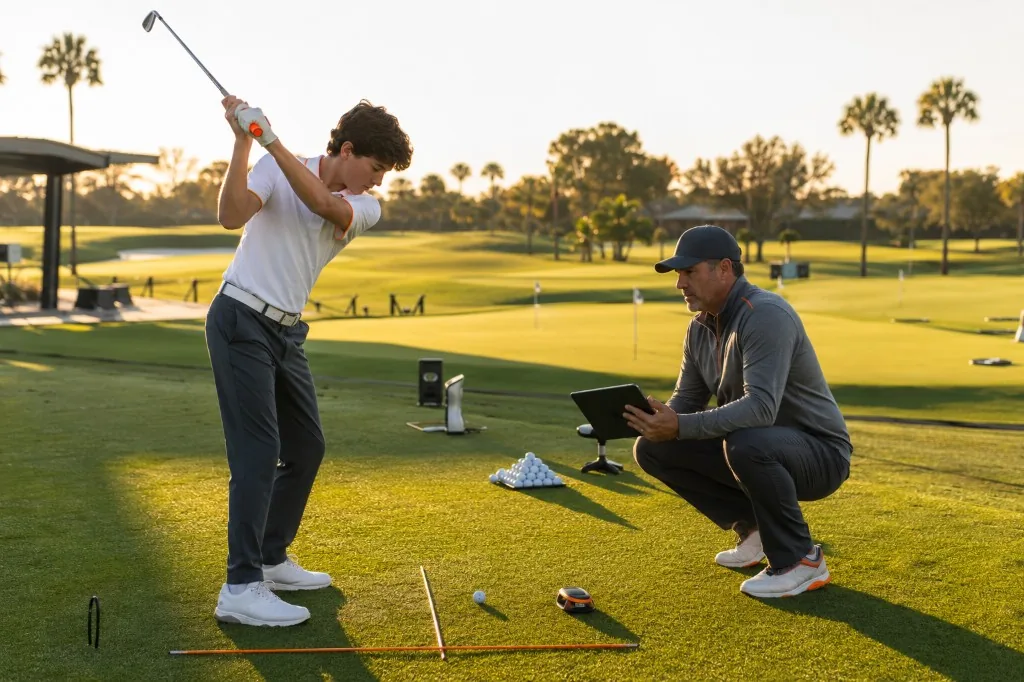
What Coaches Look for in a Junior Golf Assessment and How It Shapes Future Success
Every successful golfer starts with a clear understanding of where they stand today. That's exactly why a junior golf assessment plays such an important role in player development. Many parents assume golf evaluations focus only on swing mechanics. In reality, coaches evaluate a much broader range of skills, including athletic ability, mental toughness, course management, physical development, and competitive readiness. A comprehensive junior golf assessment helps identify strengths, uncover opportunities for improvement, and create a roadmap for long-term growth. Whether a young golfer is just beginning lessons or pursuing collegiate opportunities, assessments provide valuable data that guide smarter training decisions. Rather than relying on guesswork, coaches can create personalized development plans based on measurable performance benchmarks. For players beginning their development journey, the Journey Page provides a helpful overview of the progression from beginner golfer to college-bound athlete.
TLDR – Quick Guide
- A junior golf assessment evaluates technical, physical, mental, and strategic skills.
- Coaches assess swing mechanics, short game performance, putting ability, and athletic development.
- Assessments provide measurable benchmarks for improvement.
- Results help create personalized training plans.
- Evaluations support tournament preparation and long-term recruiting goals.
- Regular assessments help prevent development plateaus and accelerate growth.
Detailed Breakdown
What Is a Junior Golf Assessment?
A junior golf assessment is a structured evaluation that measures a young golfer's current abilities and identifies opportunities for improvement. Unlike a typical lesson, an assessment looks at the complete player rather than focusing on a single skill. Coaches evaluate technical fundamentals, athletic performance, mental readiness, and strategic decision-making to create a complete development profile. The goal is not to rank or compare players. Instead, the purpose is to establish a baseline and develop a customized plan that helps each golfer reach their full potential.
Swing Mechanics Evaluation
One of the first areas coaches analyze during a junior golf assessment is swing mechanics. Proper fundamentals create consistency and make future improvements easier to achieve. Coaches typically evaluate:
- Grip
- Posture
- Alignment
- Ball position
- Swing plane
- Weight transfer
- Tempo
- Impact position
- Balance
Video analysis and launch monitor technology are often used to provide objective feedback. These tools help coaches identify inefficiencies that may limit distance, accuracy, or consistency. A strong swing foundation allows players to develop advanced skills without having to correct major technical flaws later.
Short Game Assessment
While many young golfers focus on driving distance, experienced coaches know that scoring happens around the greens. A comprehensive junior golf assessment includes evaluating:
- Chipping
- Pitching
- Bunker play
- Distance control
- Spin management
- Shot selection
Strong short-game skills help players recover from mistakes and save strokes during competitive rounds. Coaches often pay close attention to creativity and adaptability, especially when assessing tournament-ready players.
Putting Performance Evaluation
Putting is one of the most important scoring skills in golf. During a junior golf assessment, coaches often evaluate:
- Stroke mechanics
- Face control
- Green reading
- Speed control
- Distance consistency
- Confidence under pressure
Many junior golfers can gain immediate scoring improvements by refining their putting fundamentals. Because putting contributes significantly to overall scores, it remains a critical component of any evaluation.
Athletic Development and Physical Readiness
Golf has evolved into a highly athletic sport. Today's junior golfers need more than a technically sound swing to compete at higher levels. Coaches frequently assess:
- Mobility
- Flexibility
- Balance
- Stability
- Strength
- Coordination
- Speed
Physical limitations can affect swing efficiency and increase injury risk. Understanding a player's athletic profile helps coaches develop training plans that support long-term growth. Players looking to build a structured development roadmap can explore Junior Golf Training Plans by Age for Competitive Players, which outlines age-specific approaches to skill development and athletic progression.
Mental Game Evaluation
Talent alone doesn't guarantee success in golf. A thorough junior golf assessment examines important mental performance factors such as:
- Confidence
- Focus
- Emotional control
- Resilience
- Self-discipline
- Competitive mindset
Many young golfers perform well during practice but struggle during tournaments. Coaches evaluate how players respond to mistakes, setbacks, and pressure situations. The mental game often becomes increasingly important as players advance into competitive golf and college recruiting environments.
Course Management Skills
Golf intelligence is a critical yet often overlooked aspect of development. During a junior golf assessment, coaches evaluate:
- Club selection
- Strategic decision-making
- Risk management
- Target selection
- Situational awareness
Young golfers frequently lower scores through better decision-making rather than major swing changes. Understanding when to be aggressive and when to play conservatively can significantly improve performance.
Why Assessments Help Prevent Development Plateaus
Many junior golfers eventually reach a point where progress slows. Without proper evaluation, players often continue practicing the same way despite diminishing results. This can lead to frustration and stalled development. A junior golf assessment helps identify hidden weaknesses and training inefficiencies before they become major obstacles. Coaches can then adjust practice plans and development priorities to keep progress moving forward. Families experiencing these challenges may find valuable insights in Why Junior Golfers Plateau During Competitive Development, which explores common causes of stalled growth and practical solutions.
How Assessments Support College Golf Goals
For players with collegiate aspirations, a junior golf assessment becomes even more valuable. College coaches look beyond scores when evaluating recruits. They consider long-term potential, athletic ability, consistency, and development trajectory. A thorough assessment can help identify:
- Recruiting readiness
- Tournament preparedness
- Performance benchmarks
- Development priorities
- Long-term growth potential
The CAMPUS Academy College Page offers additional resources for families seeking to understand the college golf recruiting process and build a pathway toward collegiate competition.
Finding the Right Coaching Environment
A quality assessment is only the first step. Long-term improvement depends on receiving the right coaching, training structure, and development support. After completing a junior golf assessment, players should follow a personalized plan that addresses identified strengths and weaknesses. Families interested in personalized instruction can explore coaching opportunities through the Find Lessons page. For players located in Southern California, Future Champions Golf (San Diego, CA) offers access to experienced coaches, competitive training environments, and proven development pathways for aspiring junior golfers.
Why Regular Assessments Matter
A single assessment provides valuable information, but ongoing evaluations often deliver the greatest results. Many coaches recommend assessments every three to six months to:
- Track progress
- Adjust training priorities
- Monitor physical development
- Prepare for tournament seasons
- Evaluate recruiting readiness
Regular assessments ensure that players continue moving toward their goals with a clear understanding of what needs attention next.
Key Takeaways
A junior golf assessment provides far more than a snapshot of a player's swing. It evaluates the complete athlete, including technical skills, athletic ability, mental performance, course management, and competitive readiness. By identifying strengths and opportunities for improvement, assessments allow coaches to build personalized development plans that maximize growth and efficiency. Whether a golfer is just beginning their journey or preparing for college recruiting, a structured evaluation provides valuable direction and measurable benchmarks. The most successful junior golfers are not always the most talented. They are often the players who understand where they stand, follow a clear development plan, and consistently track their progress through regular assessments.
FAQs
What is a junior golf assessment?
A junior golf assessment is a comprehensive evaluation of a young golfer's current abilities and development potential. Coaches analyze technical skills, athletic performance, mental readiness, and course management. The results help create a personalized roadmap for improvement.
At what age should a golfer have a junior golf assessment?
Golfers can benefit from an assessment as soon as they begin participating in organized instruction. Coaches adjust the process based on age, experience, and developmental stage. Even young beginners can gain valuable insights from an early evaluation.
How long does a junior golf assessment take?
Most assessments last between 60 and 120 minutes depending on the depth of evaluation. Some may include video analysis, physical testing, and performance drills. Coaches typically provide detailed feedback and recommendations afterward.
How often should junior golfers be assessed?
Many coaches recommend formal assessments every three to six months. Regular evaluations help track progress and identify new areas for improvement. Consistent monitoring ensures training remains aligned with the player's goals.
Can a junior golf assessment help with college recruiting?
Yes, assessments can help identify the skills and performance benchmarks needed for collegiate competition. Coaches can evaluate a player's readiness and outline areas that require additional development. This information helps families make informed decisions about training, tournaments, and recruiting strategies.