
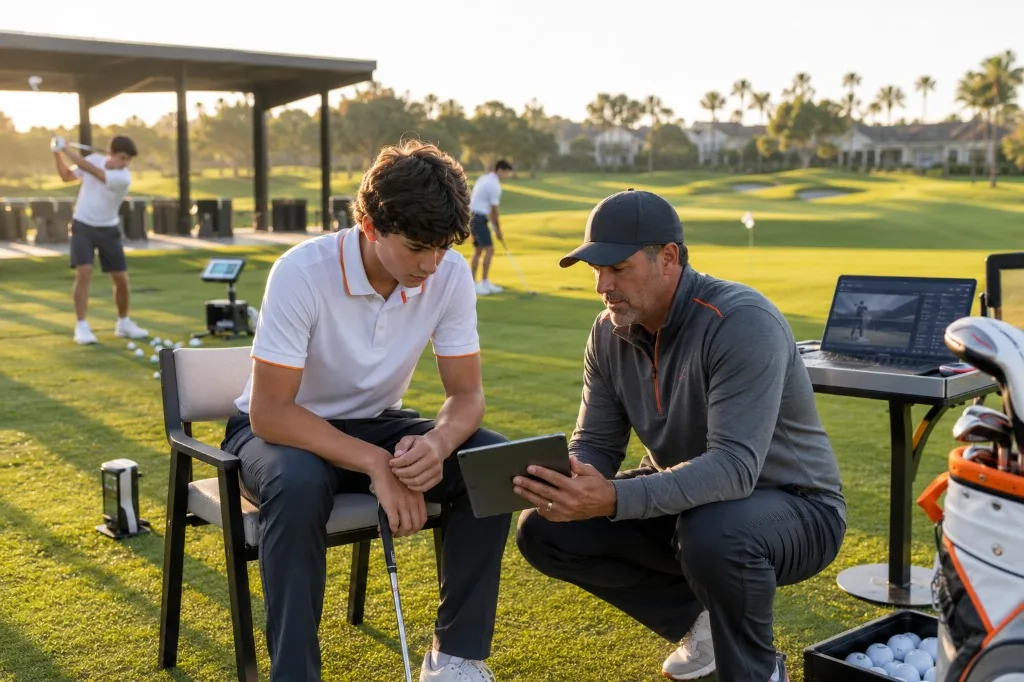
Golf Performance Tracking for Competitive Junior Golfers
Every competitive junior golfer wants to improve. They want lower scores, stronger tournament finishes, and greater confidence on the course. However, improvement rarely happens by accident. The players who consistently get better understand exactly where they are gaining strokes and where they are losing them. That's where golf performance tracking becomes a powerful tool. Many junior golfers spend countless hours practicing but fail to measure whether their efforts are producing meaningful results. By tracking performance data, players can make smarter training decisions, identify weaknesses more quickly, and create a clear roadmap for improvement. Whether a golfer is working toward tournament success or college recruiting opportunities, golf performance tracking provides valuable insights that help turn practice into measurable progress. For families looking to understand how player development fits into a long-term pathway, the CAMPUS Academy Journey Page provides an overview of the stages that support junior golf success.
TLDR – Quick Guide
- Golf performance tracking helps players identify strengths and weaknesses.
- Data-driven training leads to more efficient practice sessions.
- Tracking statistics can reveal scoring patterns that are difficult to notice otherwise.
- Performance data supports tournament preparation and recruiting goals.
- Consistent tracking helps junior golfers improve faster over time.
- The best players measure progress instead of relying on guesswork.
Detailed Breakdown
What Is Golf Performance Tracking?
Golf performance tracking is the process of collecting and analyzing data related to a player's performance during practice and competition. Rather than focusing solely on final scores, golfers track key statistics such as:
- Fairways hit
- Greens in regulation
- Putts per round
- Up-and-down percentage
- Scrambling performance
- Penalty strokes
- Driving accuracy
- Scoring averages
These metrics provide a more complete picture of performance than scores alone. A golfer who shoots 78 may have played very differently from another golfer who shoots the same score. Tracking data helps uncover the reasons behind those results.
Why Scores Alone Don't Tell the Full Story
Many players judge their performance based entirely on their scorecard. While scores are important, they don't always reveal where improvement is needed. For example:
- A player may drive the ball exceptionally well but struggle on the greens.
- Another golfer may putt effectively but lose strokes through poor course management.
- A third player may consistently make mistakes around the greens.
Without golf performance tracking, identifying these patterns becomes much more difficult. The best players understand that improvement comes from addressing specific weaknesses rather than simply hoping scores improve.
How Performance Tracking Improves Practice Efficiency
One of the biggest benefits of golf performance tracking is improved practice efficiency. Instead of practicing everything equally, players can focus on areas that have the greatest impact on scoring. For example:
- Low greens-in-regulation numbers may indicate a need for improved iron play.
- High putting averages may suggest additional work on speed control.
- Frequent penalty strokes may point to course management issues.
This targeted approach helps players maximize every practice session.
Key Statistics Competitive Junior Golfers Should Track
Not every statistic carries the same value. Competitive junior golfers should focus on metrics that directly influence scoring performance. Important statistics include: Driving Performance
- Fairways hit
- Driving accuracy percentage
- Penalty strokes off the tee
Approach Play
- Greens in regulation
- Proximity to the hole
- Miss patterns
Short Game
- Up-and-down percentage
- Sand saves
- Scrambling percentage
Putting
- Total putts
- Three-putts
- Putts per green in regulation
Tracking these categories creates a balanced view of performance across all aspects of the game.
Identifying Scoring Trends
A major advantage of golf performance tracking is the ability to identify long-term trends. Single rounds can be misleading. Over time, tracking reveals patterns such as:
- Consistent improvement
- Recurring weaknesses
- Performance under pressure
- Seasonal fluctuations
These insights help coaches and players make better development decisions. Many golfers discover that their biggest scoring opportunities come from areas they previously overlooked.
How Tracking Supports Tournament Performance
Tournament golf presents unique challenges that casual rounds often do not. Competitive players can use golf performance tracking to evaluate:
- Performance under pressure
- Tournament scoring averages
- Strengths in competition
- Areas requiring improvement
Tracking tournament data separately from practice rounds often provides valuable insights. This information can help players prepare more effectively for future events and establish realistic performance goals.
Performance Tracking and College Recruiting
For players pursuing collegiate opportunities, performance data can become an important recruiting tool. College coaches often evaluate:
- Scoring averages
- Tournament results
- Performance trends
- Development trajectory
Players who understand their own statistics are often better prepared to discuss their game during the recruiting process. Families interested in building stronger recruiting profiles can benefit from reviewing the Junior Golf Recruiting Profile Guide. Combining performance data with recruiting materials creates a more complete picture for college coaches.
Lowering Scores Through Better Analysis
Many junior golfers assume lower scores come from hitting more balls. In reality, smarter analysis often produces faster improvement. By using golf performance tracking, players can determine:
- Which mistakes cost the most strokes
- Which skills need immediate attention
- Which strengths should be maintained
Golfers who focus on high-impact improvements often see faster scoring gains than those who practice randomly. For additional scoring strategies, players can explore How Competitive Juniors Lower Golf Scores.
Technology Makes Tracking Easier Than Ever
Modern golfers have access to numerous tracking tools. Options include:
- Mobile apps
- Shot-tracking systems
- GPS devices
- Statistical analysis software
- Manual score journals
The specific tool matters less than the consistency of use. The goal is to collect reliable information that supports better decision-making.
Working With Coaches to Interpret Data
Collecting statistics is only part of the process. Understanding what the numbers mean is equally important. Coaches can help players:
- Identify priorities
- Set measurable goals
- Adjust training plans
- Evaluate progress
When used effectively, golf performance tracking becomes a roadmap that guides future development.
Learning From Proven Development Programs
Many successful junior golf programs use performance tracking as a core component of player development. For example, The Golf Garage (San Jose, CA) emphasizes individualized coaching and performance analysis to help players make informed decisions about training and competition. Programs that integrate performance data often help players improve more efficiently because decisions are based on objective information rather than assumptions.
Common Performance Tracking Mistakes
While tracking can be incredibly valuable, some players make mistakes that limit its effectiveness. Common pitfalls include:
- Tracking too many statistics
- Focusing only on scores
- Ignoring long-term trends
- Failing to review collected data
- Making conclusions from a single round
The goal is not simply to collect information. The goal is to use information to improve performance.
Key Takeaways
Golf performance tracking is one of the most effective tools available to competitive junior golfers. By measuring key performance indicators, players can identify weaknesses, improve practice efficiency, and make more informed development decisions. Rather than relying on guesswork, performance tracking provides objective feedback that supports long-term growth. Whether the goal is lower scores, tournament success, or college recruiting opportunities, tracking performance consistently can accelerate improvement and help players reach their full potential. The best golfers don't just practice hard. They measure, analyze, and improve with purpose.
FAQs
What is golf performance tracking?
Golf performance tracking involves collecting and analyzing statistics related to a player's performance. These metrics help identify strengths, weaknesses, and areas for improvement. Tracking provides valuable insights that support smarter training decisions.
Which statistics should junior golfers track?
Junior golfers should focus on statistics that directly affect scoring, such as fairways hit, greens in regulation, putts, and scrambling percentage. These metrics provide a balanced view of overall performance. Tracking too many statistics can sometimes create unnecessary complexity.
How often should golf performance be tracked?
Performance should ideally be tracked during every competitive round and practice session when possible. Consistency creates more reliable data and allows trends to emerge over time. The more information collected, the easier it becomes to make informed decisions.
Can golf performance tracking help with college recruiting?
Yes, performance tracking helps players understand and communicate their strengths and development trends. Coaches often value players who can discuss their game using objective performance data. Tracking also supports stronger recruiting profiles and goal setting.
Does golf performance tracking actually lower scores?
Yes, when used correctly, tracking helps players focus on the areas that have the greatest impact on scoring. By identifying weaknesses and improving practice efficiency, golfers can make meaningful gains over time. Many competitive players use performance tracking as a key part of their development process.