
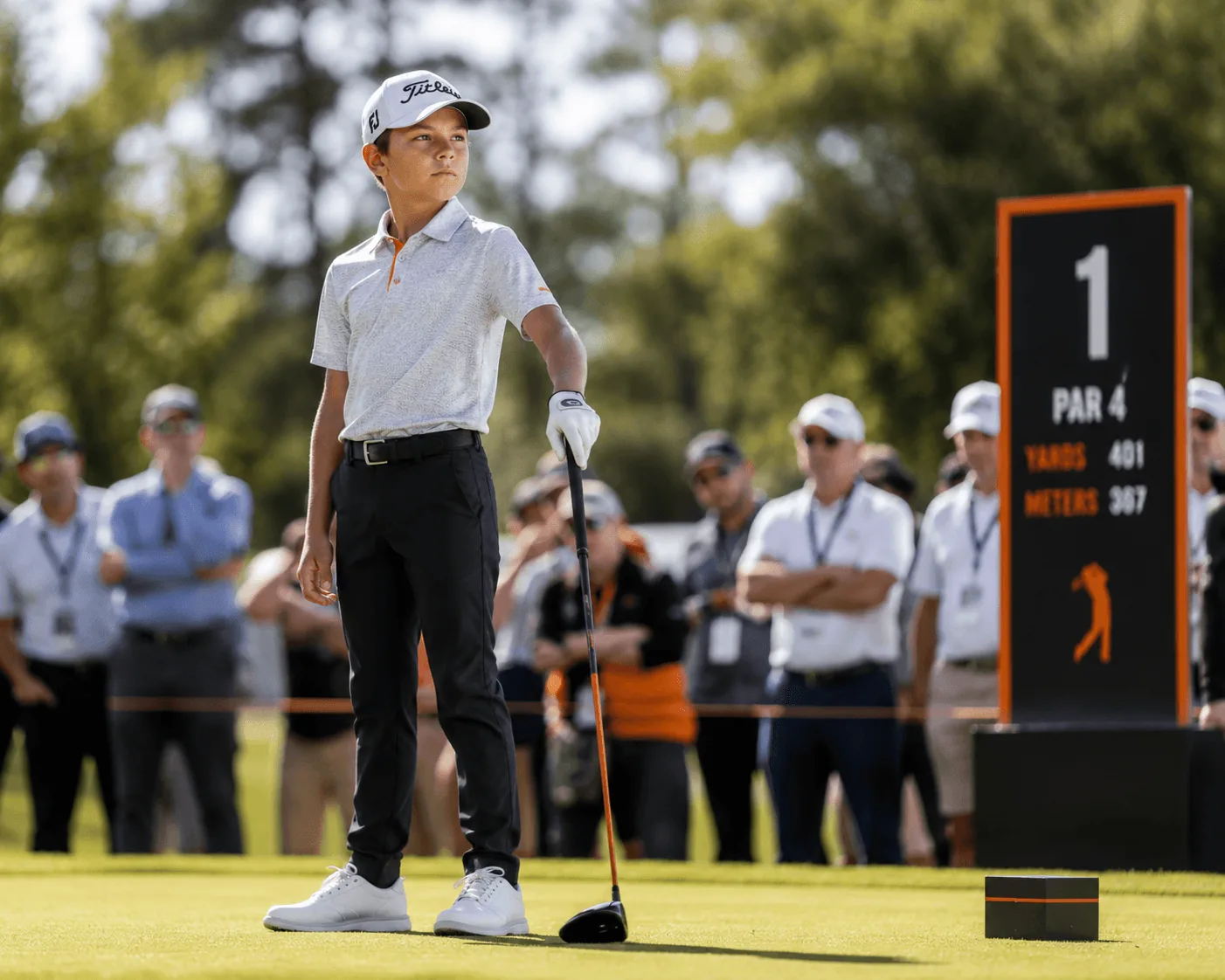
How to Build Confidence in Junior Golf Tournament Play
Introduction
Confidence can completely change how junior golfers perform during tournaments. Two players may have similar swings, practice habits, and physical ability — but the player with stronger confidence often performs better under pressure. Confidence affects decision-making, emotional control, commitment, focus, and resilience throughout competitive rounds. The challenge is that confidence in junior golf is often misunderstood. Many players think confidence comes only from:
- winning tournaments
- shooting low scores
- perfect swings
In reality, lasting confidence comes from preparation, habits, mental discipline, and learning how to trust yourself under pressure. The good news is that confidence is trainable. This guide breaks down how junior golfers can build real confidence before and during tournament play so they can compete with more consistency and less fear.
TLDR – Quick Guide
Here’s how to improve confidence in junior golf tournament play:
- Build confidence through preparation
- Develop repeatable routines
- Focus on process instead of outcomes
- Practice under pressure
- Learn emotional recovery skills
- Improve self-talk habits
- Track progress consistently
- Accept mistakes without panic
Confident golfers are not fearless. They simply recover faster and trust themselves more consistently.
Detailed Breakdown
Understand What Confidence Actually Is
Many junior golfers believe confidence means:
- never feeling nervous
- always playing well
- expecting perfect results
That is not realistic. Competitive confidence means:
- trusting your preparation
- staying composed under pressure
- committing to decisions
- recovering after mistakes
Even elite golfers feel nerves during tournaments. The difference is they do not let nerves control their decisions. Confidence is built through repeated experiences where players learn: “I can handle difficult situations.” That mindset develops over time.
Preparation Builds Confidence
One of the fastest ways to improve confidence in junior golf is proper preparation. Players feel nervous when they feel unprepared. Competitive preparation includes:
- structured practice
- tournament simulations
- physical preparation
- mental routines
- course management planning
Confidence grows when junior golfers know they have prepared seriously. This is one reason structured player development matters so much. The junior golfer development pathway emphasizes building long-term habits and preparation systems that help players develop trust in their process over time.
Create a Reliable Pre-Shot Routine
Confidence increases when routines become familiar. A consistent pre-shot routine helps junior golfers:
- calm nerves
- improve focus
- commit fully to shots
- reduce distractions
A simple routine may include:
- Picking a target
- Taking one practice swing
- Deep breathing
- Visualizing the shot
- Committing fully
The routine itself creates stability during stressful moments. Players who constantly change routines often struggle emotionally during tournaments.
Focus on Process Instead of Results
One of the biggest confidence killers in junior golf is obsessing over score. Players who think constantly about:
- leaderboards
- rankings
- trophies
- future holes
…usually lose focus quickly. Confident players focus on controllable actions:
- routines
- decisions
- effort
- tempo
- commitment
Ironically, scores improve when attention shifts away from score obsession. Confidence grows through execution, not scoreboard watching.
Learn to Recover After Bad Shots
Every golfer hits bad shots. The difference is emotional recovery speed. Junior golfers who struggle with confidence often:
- replay mistakes mentally
- panic after bogeys
- lose focus for multiple holes
Confident competitors recover faster. Helpful recovery habits include:
- controlled breathing
- neutral self-talk
- accepting mistakes quickly
- resetting before the next shot
One bad swing should not become three bad holes. Emotional resilience is one of the most important tournament skills junior golfers can develop.
Improve Self-Talk The way junior golfers talk to themselves matters more than most realize. Negative self-talk damages:
- confidence
- focus
- emotional control
- commitment
Examples of destructive self-talk:
- “I always choke.”
- “I can’t putt.”
- “I’m terrible under pressure.”
Confident players replace emotional reactions with constructive thoughts:
- “Commit to the target.”
- “One shot at a time.”
- “Reset and move forward.”
Mental language shapes performance patterns over time.
Practice Under Tournament Pressure
Confidence does not fully develop during casual practice. Junior golfers must experience pressure situations repeatedly. Pressure-based practice can include:
- putting challenges
- scoring games
- one-ball practice
- simulated tournament rounds
- consequence drills
The goal is learning how to execute while nervous. Pressure becomes less intimidating when it becomes familiar. For junior golfers looking to accelerate confidence development, private golf lessons and tournament-focused coaching can help players train emotional control alongside technical improvement.
Stop Comparing Yourself to Other Players
Comparison destroys confidence quickly. Junior golfers often lose confidence by:
- watching other players’ swings
- comparing distances
- worrying about rankings
- focusing on social media highlights
Competitive golf becomes mentally exhausting when players constantly measure themselves against others. Confident golfers stay focused on:
- personal development
- preparation
- controllable improvement
Every junior golfer develops at a different pace. Long-term growth matters more than temporary comparisons.
Build Confidence Through Small Wins
Confidence does not suddenly appear after one great tournament. It builds gradually through repeated positive experiences. Small wins matter:
- executing a routine correctly
- handling pressure calmly
- recovering after mistakes
- improving practice habits
- staying composed emotionally
Tracking progress helps junior golfers recognize growth that scorecards may not always show immediately. Confidence compounds over time.
Understand That Confidence Fluctuates
Even highly competitive players experience confidence swings. That is normal. Confidence is not permanent. Some days:
- swings feel great
- putts fall
- focus feels easy
Other days feel harder. The goal is not permanent confidence. The goal is maintaining discipline even when confidence feels lower. This is one reason many families ask questions about mental development, tournament readiness, and player progression through resources like the junior golf FAQ section.
Build Confidence Through Competitive Experience
Tournament confidence improves through exposure. Junior golfers who compete regularly become more comfortable with:
- nerves
- pressure
- expectations
- difficult conditions
Avoiding competition delays confidence growth. Players become more confident by repeatedly learning: “I can handle this environment.” Competitive reps matter. Programs like the Madison junior golf academy often emphasize both skill development and tournament experience because confidence grows fastest through structured competition exposure.
Common Confidence Mistakes Junior Golfers Make
Expecting Perfection Perfection is impossible in golf. Even elite players make mistakes constantly.
Letting One Hole Define the Round
Many tournaments are lost emotionally, not technically. Recovery speed matters more than avoiding all mistakes.
Depending Only on Results for Confidence
Results-based confidence disappears quickly after bad rounds. Preparation-based confidence lasts longer.
Comparing to Other Players Constantly
Confidence weakens when attention stays focused on competitors instead of personal growth.
Key Takeaways
Building confidence in junior golf tournament play is a long-term process built through preparation, repetition, emotional discipline, and competitive experience. Confident junior golfers:
- trust their preparation
- follow routines
- recover quickly from mistakes
- manage self-talk
- focus on controllable actions
Confidence is not about avoiding nerves. It is about learning how to perform despite them. The earlier junior golfers develop these habits, the stronger their tournament mindset becomes over time.
FAQs
Why do junior golfers lose confidence during tournaments?
Junior golfers often lose confidence because they focus too heavily on scores, mistakes, or external pressure. Negative self-talk and unrealistic expectations can also increase emotional stress during competition. Confidence usually improves when players focus more on preparation and controllable actions.
Can confidence in golf be trained?
Yes, confidence can absolutely be trained through consistent preparation, pressure practice, emotional routines, and competitive experience. Junior golfers build confidence by repeatedly handling difficult situations successfully. Confidence develops gradually through habits and repetition rather than instant results.
How important is mental training in junior golf?
Mental training is extremely important because tournament golf places heavy emotional pressure on players. Focus, emotional recovery, self-talk, and decision-making all affect scoring consistency. Strong mental habits often separate competitive players from inconsistent performers.
What is the best way to recover after a bad hole?
The best recovery strategy is accepting the mistake quickly and shifting attention to the next shot. Deep breathing, neutral self-talk, and sticking to routines help players reset emotionally. Strong competitors avoid letting frustration affect multiple holes.
How can parents help junior golfers build confidence?
Parents help most by supporting effort, preparation, and emotional growth instead of focusing only on scores or results. Encouraging patience and long-term development creates healthier confidence patterns. Positive support after difficult rounds is especially important for building resilience.